The Coptic Church Seasons
An overview of the Coptic Church seasons, fasts, feasts, and spiritual rhythm.
The Liturgical Year at a Glance
Click any block to jump directly to that season below. Use this overview as a quick map of the liturgical year and a starting point for reading the season’s full explanation.
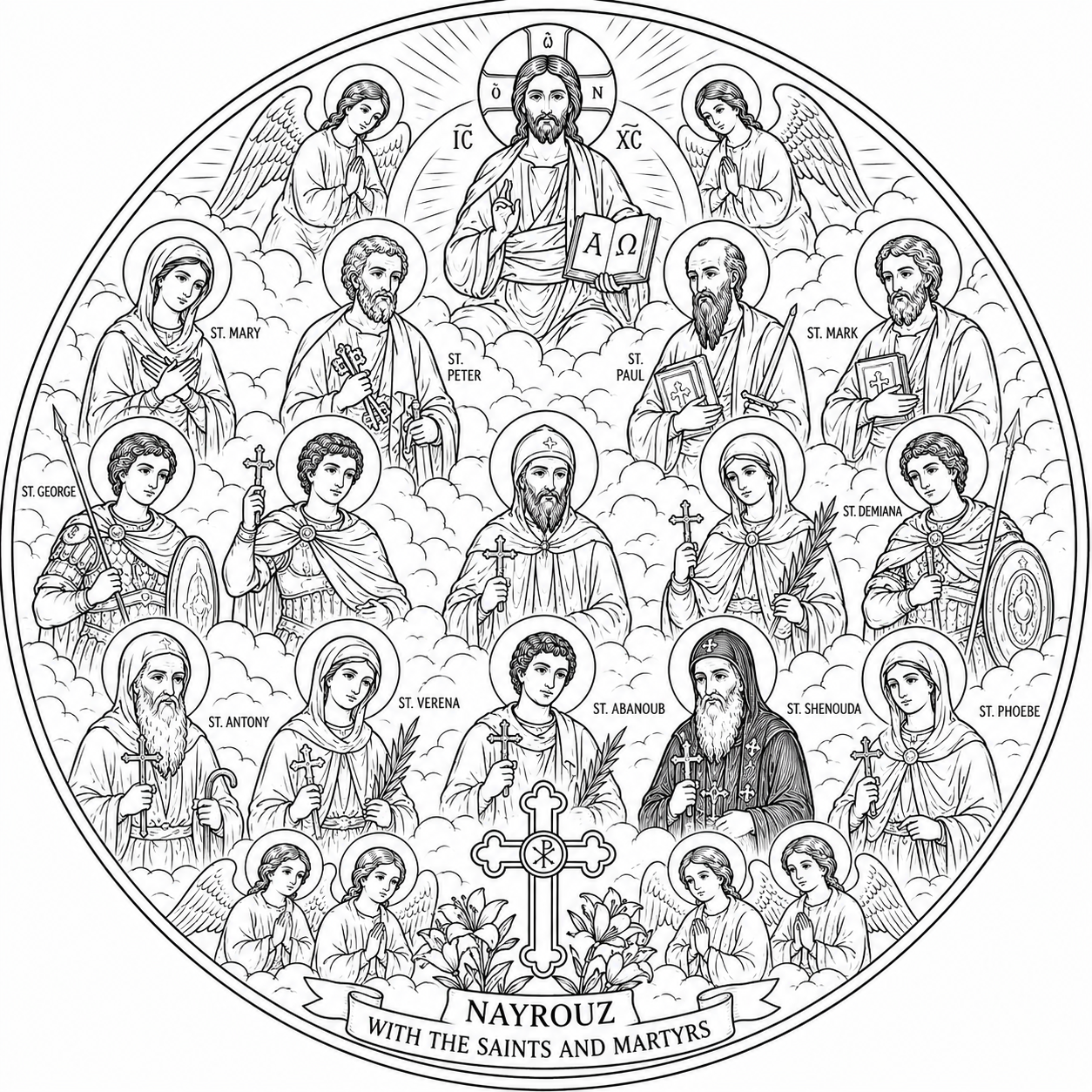
Nayrouz — The Coptic New Year
1 Thout (September 11) • Era of the Martyrs begins
The Ancient Roots
The Coptic calendar is based on the ancient Egyptian calendar — agricultural and solar, with 12 months of 30 days plus the "little month" of Nasie (5-6 days). In 284 AD, Emperor Diocletian began the most brutal persecution of Christians, and Egypt bore the brunt.
Resetting Time
The Coptic Church made a monumental decision: instead of counting from Rome or the Pharaohs, they chose 284 AD — the year Diocletian took power — as Year 1. Not to honor the tyrant, but to immortalize the sacrifice of the martyrs.
Theology of Martyrdom
- Martyrdom = ultimate victory, not defeat
- Nayrouz is chanted in the Joyful Tune
- The Church wears red and white
- Martyrdom viewed as a wedding feast with Christ
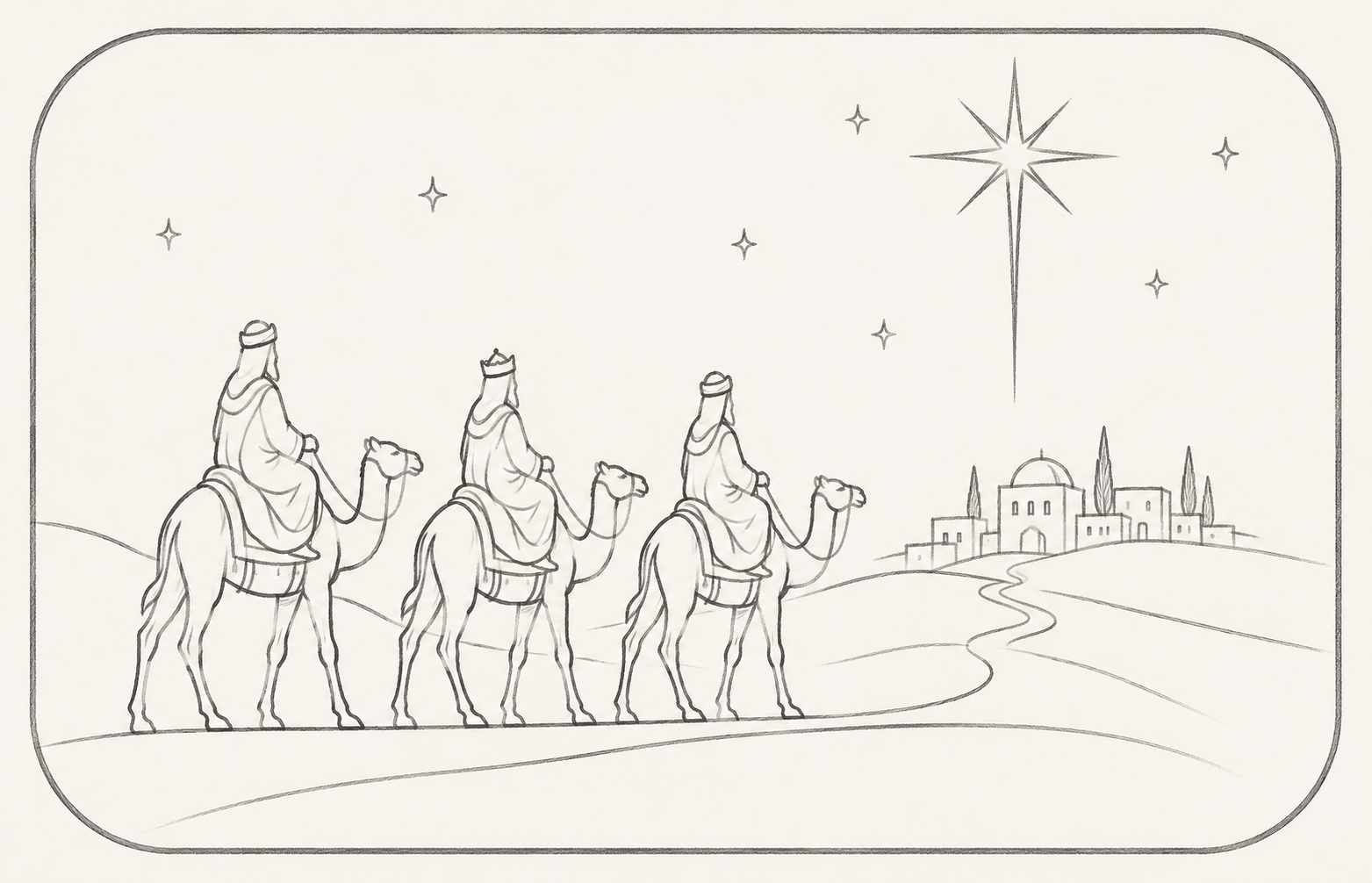
The Nativity Fast
November 25 — January 7 • 43 Days
Moses & The Law
Moses fasted 40 days on Mount Sinai to receive the Word of God written on stone. We fast to prepare our hearts to receive the Word of God in the flesh — Jesus Christ, the Logos. Our hearts become a pure manger ready to receive the incarnate King.
The 43 Days
- 40 Days — Corresponding to Moses' fast on Sinai
- 3 Days — Added for the Miracle of Mokattam Mountain (10th century)
Kiahk — Month of Praises
The final month is dedicated to the acceptance of the Lord in our life, as St. Mary accepted Him. We call her the Theotokos. The Church fills the dark winter nights with Midnight Praises (Tasbeha), eagerly counting down to the star over Bethlehem.
The Winter Feasts
January — February • Three Interconnected Celebrations
Circumcision (Jan 14)
Exactly 8 days after Nativity. Christ submits to the Law He created, demonstrating complete obedience. The first drops of His blood are shed for humanity, prefiguring Baptism as "spiritual circumcision."
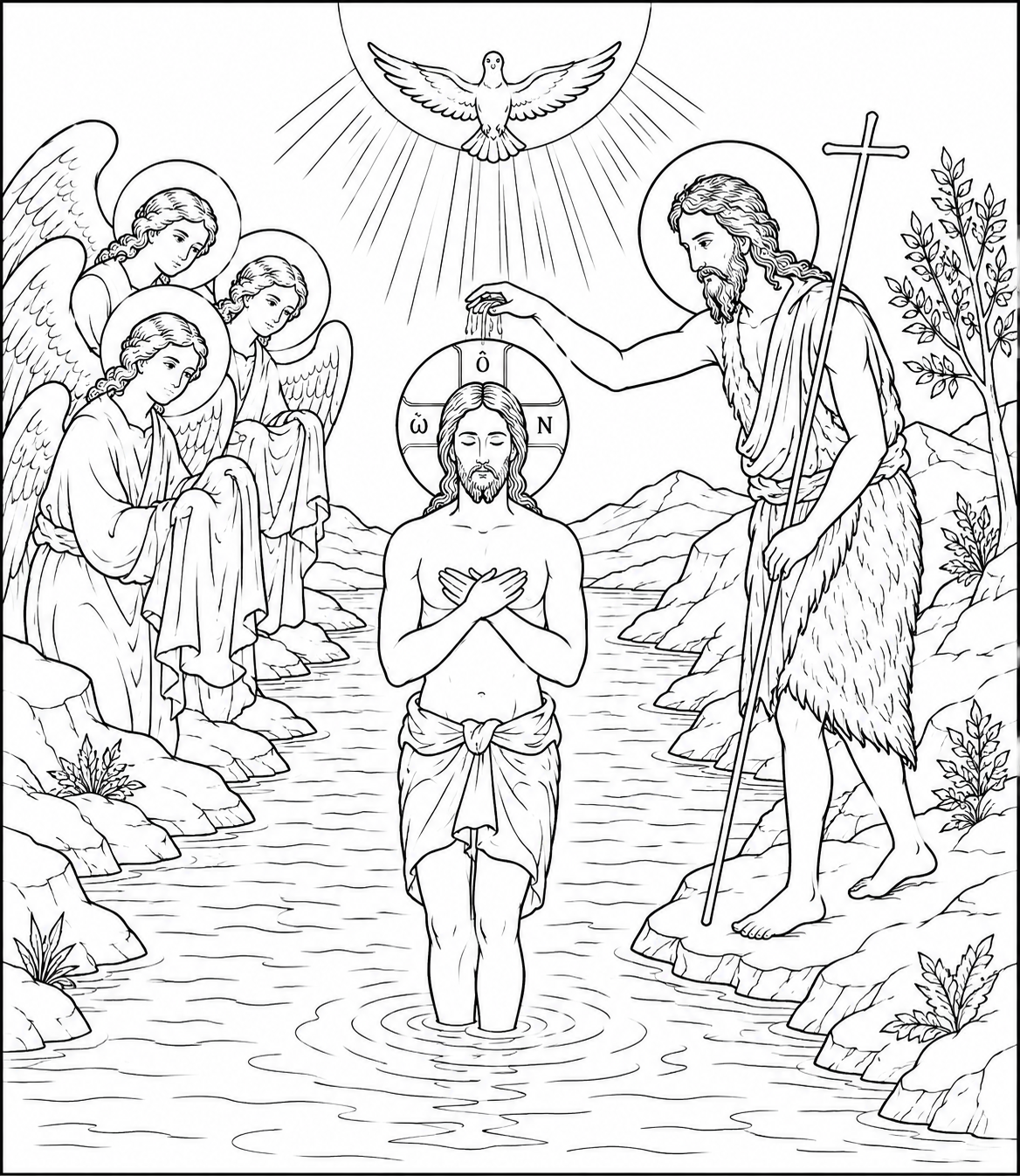
Epiphany / Theophany (Jan 19)
The manifestation of God — the Baptism of Jesus in the Jordan. The first explicit revelation of the Holy Trinity: Father speaking from heaven, Son in the water, Spirit descending as a dove.
Coptic Traditions
- Orange Lantern (El-Bollaba) — Christ as the Light of the World
- Taro Root (Qolqas) — Toxic raw, nourishing boiled = purifying waters of Baptism
- Sugarcane — Tall and straight = spiritual growth
Presentation to the Temple (Feb 15)
40 days after Nativity, Mary and Joseph brought Jesus to the temple. They met the righteous Simeon, who had been promised he would not die until seeing the Messiah.
The Winter Timeline
Jan 7
Jan 14
Jan 19
Feb 15
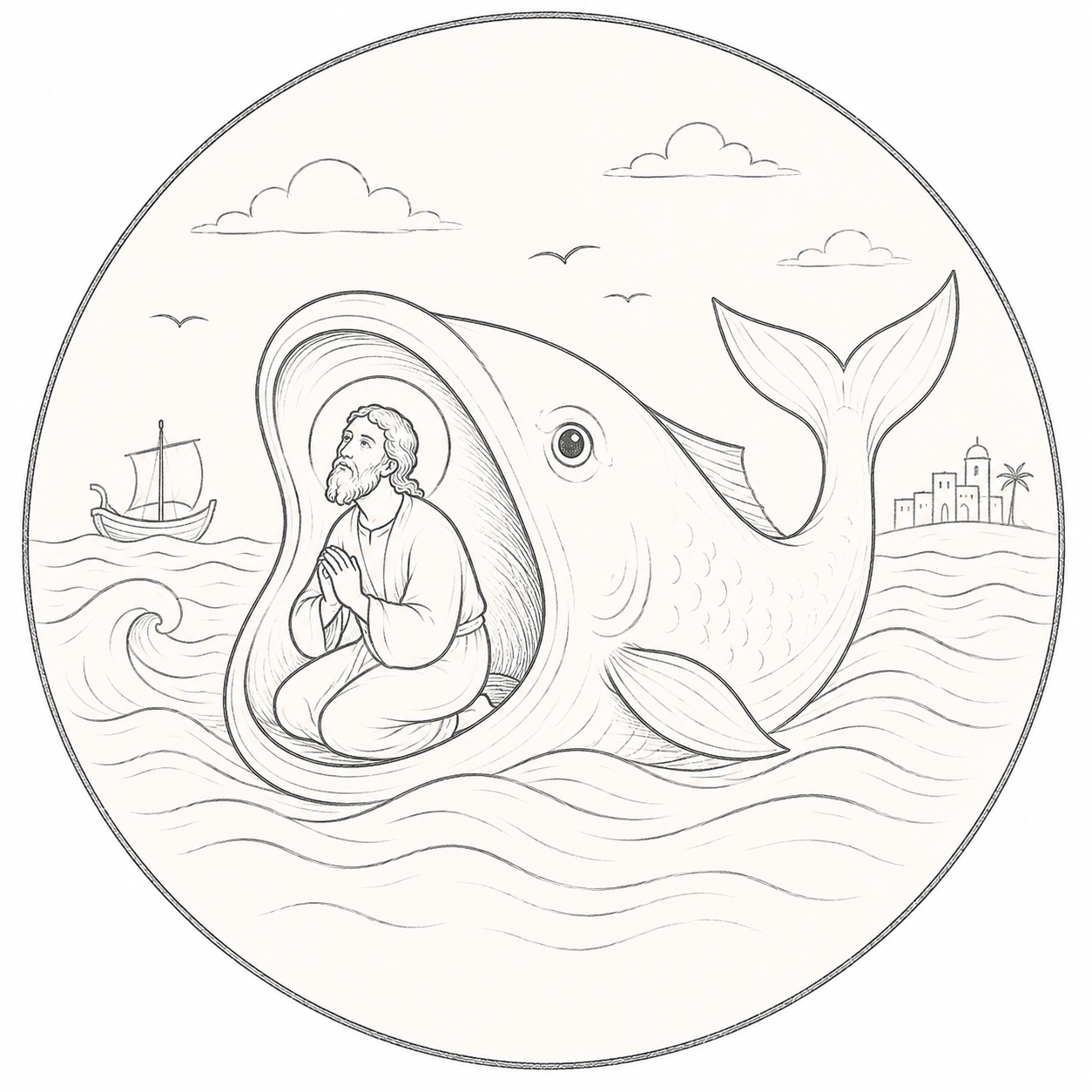
Jonah's Fast & Feast
3 Days before Lent • The Sign of Jonah
The Fast of Nineveh
A strict call to repentance mirroring the King and people of Nineveh. Christ said no sign would be given except the "Sign of Jonah." Three days in the fish prefigure Christ's three days in the tomb.
- Liturgies late in the afternoon
- Vegan food only when breaking fast
- Candles extinguished, sanctuary veil shut
- Lenten Tune — mournful and contemplative
The Feast of Jonah
Thursday morning breaks with a dramatic shift! The somber tone is dropped and the church bursts into the Joyful Tune. Cymbals and triangles return. Jonah's expulsion onto dry land symbolizes the Resurrection of Christ.
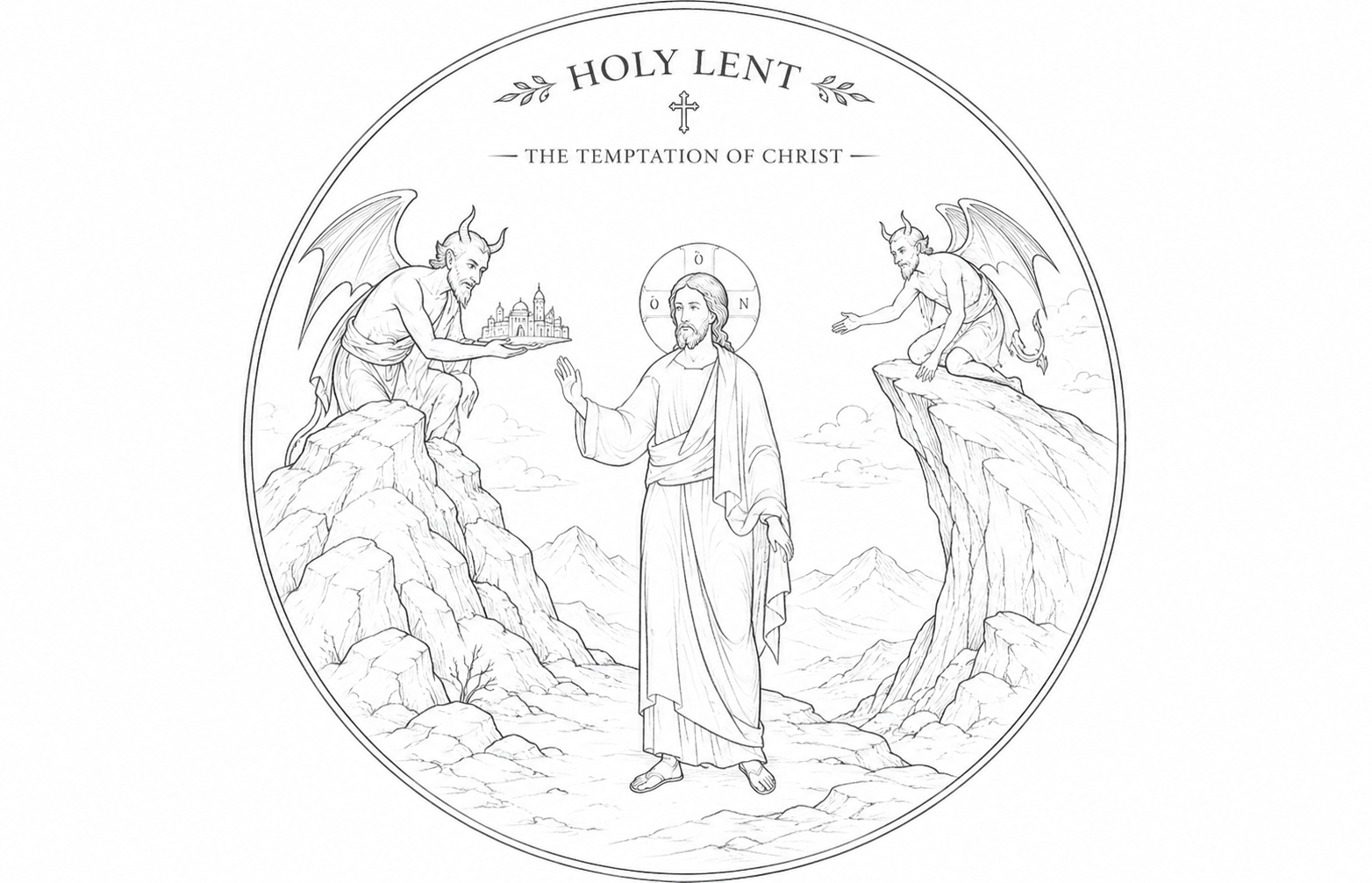
Great Lent — The Spring of the Soul
55 Days • Variable dates (based on Easter)
The Lenten Sundays
- Preparation — Seeking the Kingdom
- The Treasure — Where your heart is
- Prodigal Son — Repentance & the Father's embrace
- Samaritan Woman — The Living Water
- Paralyzed Man — Healing & patience
- Man Born Blind — Spiritual sight
- Palm Sunday — The Triumphal Entry
The Rite
- Strictly vegan (no animal products, no seafood)
- Liturgies shifted to afternoon (3-5 PM)
- Heavy emphasis on prostrations (metanoias)
- Lenten Tune — deep, elongated, contemplative
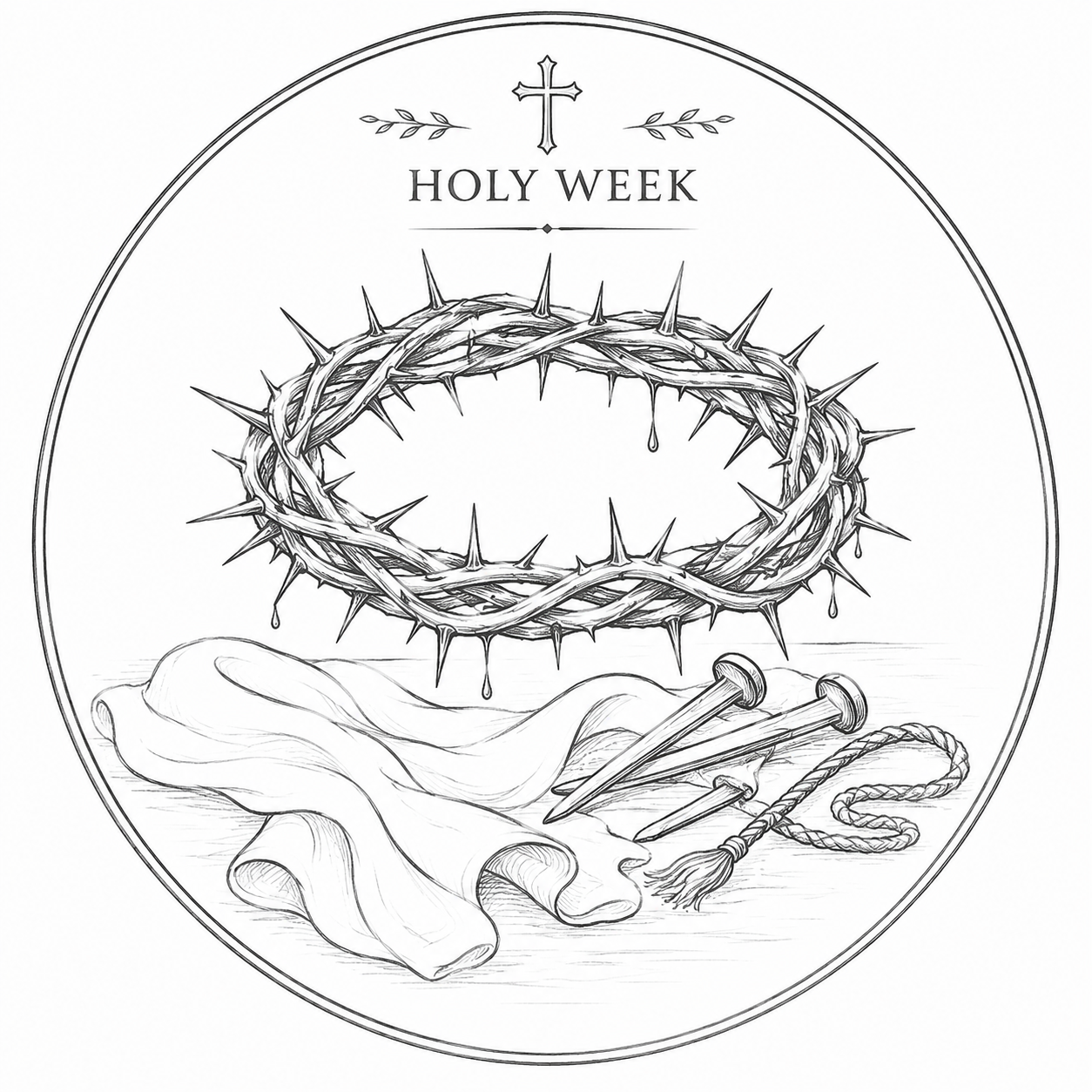
Holy Week — The Holy Pascha
Palm Sunday — Bright Saturday • The Week of Weeks
Walking with Christ
Holy Week is not a remembrance of history — the Coptic rite makes the congregation step out of present time and walk alongside Christ, hour by hour, toward Golgotha. "Pascha" means Passover — Christ is the ultimate Passover Lamb.
The Rite
- Altar is Closed — Eucharist suspended; prayers move to the nave
- 5 Day Hours + 5 Night Hours — Each day from the Book of Pascha
- Covenant Thursday — Lakkan + Eucharist institution
- Good Friday — 12 continuous hours ending with the Burial Rite
- Bright Saturday — The Apocalypsis (full Book of Revelation)
Hymns & Decorations
- Sad Paschal Tune throughout
- Thok Te Ti-Gom — chanted dozens of times
- Pek-Ethronos on Good Friday
- Black drapes cover the entire church
- Golgotha shrine in the center with candles and flowers
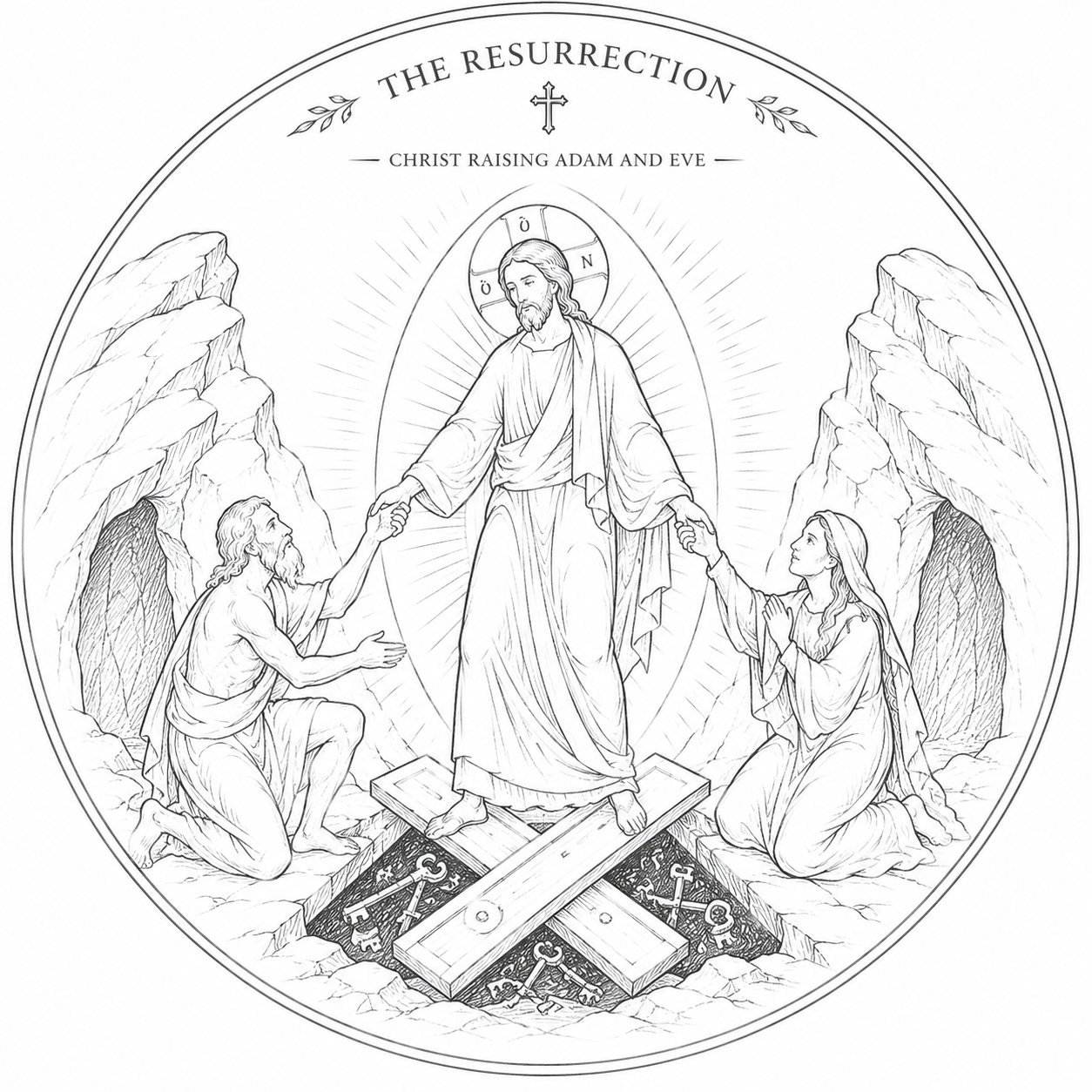
The Holy Fifty Days — The Khamaseen
Easter — Pentecost • One Continuous "Lord's Day"
Days 1-40: Resurrection to Ascension
Jesus remained on earth for 40 days, appearing to disciples, healing doubts, and teaching the mysteries of the Kingdom. The Royal Doors stay open the entire 50 days — Paradise is torn open!
- Daily Procession (Zeffa) with the Resurrection icon
- Open Heaven — Royal Doors left open
- Joyful Tune dominates
Day 40: Ascension
Christ bodily ascended to the Mount of Olives, raising human nature to the right hand of the Father. Hymns: Khen Oushot and Epouro in the Joyful Tune.
Day 50: Pentecost
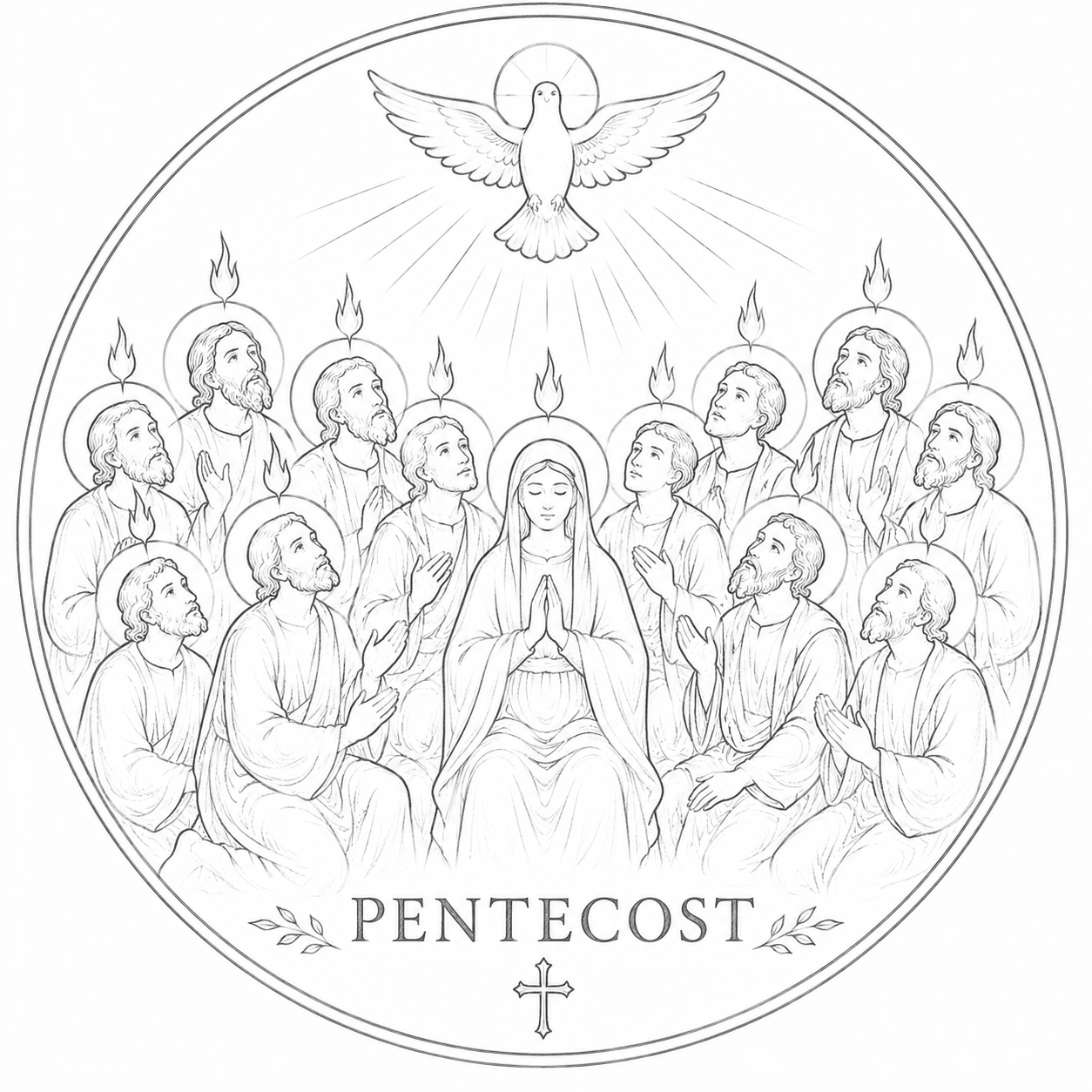
The Holy Spirit descended as tongues of fire — the Birthday of the Church! The Prostration Prayer (Sajda) reintroduces kneeling: three prostrations for the Father, Son, and Holy Spirit.
The Apostles' Fast
After Pentecost — July 12 • Variable Length (15-49 days)
Empowered for Mission
After receiving the Holy Spirit, the apostles fasted before going out to preach. In Acts 13:2-3: "As they ministered to the Lord and fasted, the Holy Spirit said, 'Separate to Me Barnabas and Saul for the work to which I have called them.'"
The Structure
- Begins Monday after Pentecost
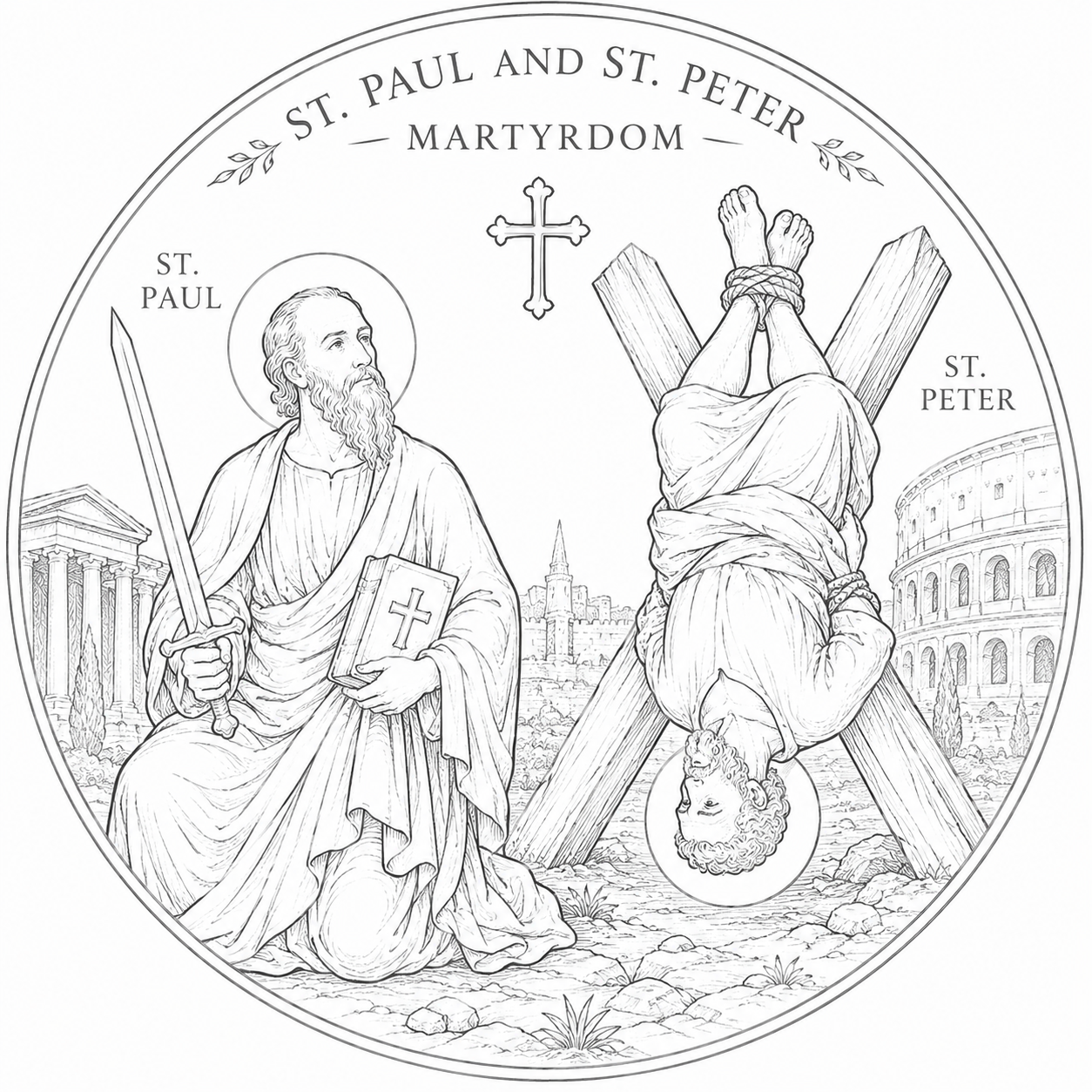
- Ends July 12 (5 Epep) — Feast of St. Peter & St. Paul
- Vegan fast, but fish is permitted (except Wed/Fri)
- Peter = mission to the Jews; Paul = mission to the Gentiles
The Feast & Lakkan
The Feast of the Apostles features the blessing of water (Lakkan). On Covenant Thursday, Christ washed the apostles' feet. On this feast, the Church washes the congregation's feet — true apostolic service requires extreme humility.
The Fast of the Virgin Mary
August 7 — August 22 • 15 Days • The People's Fast
St. Thomas & The Empty Tomb
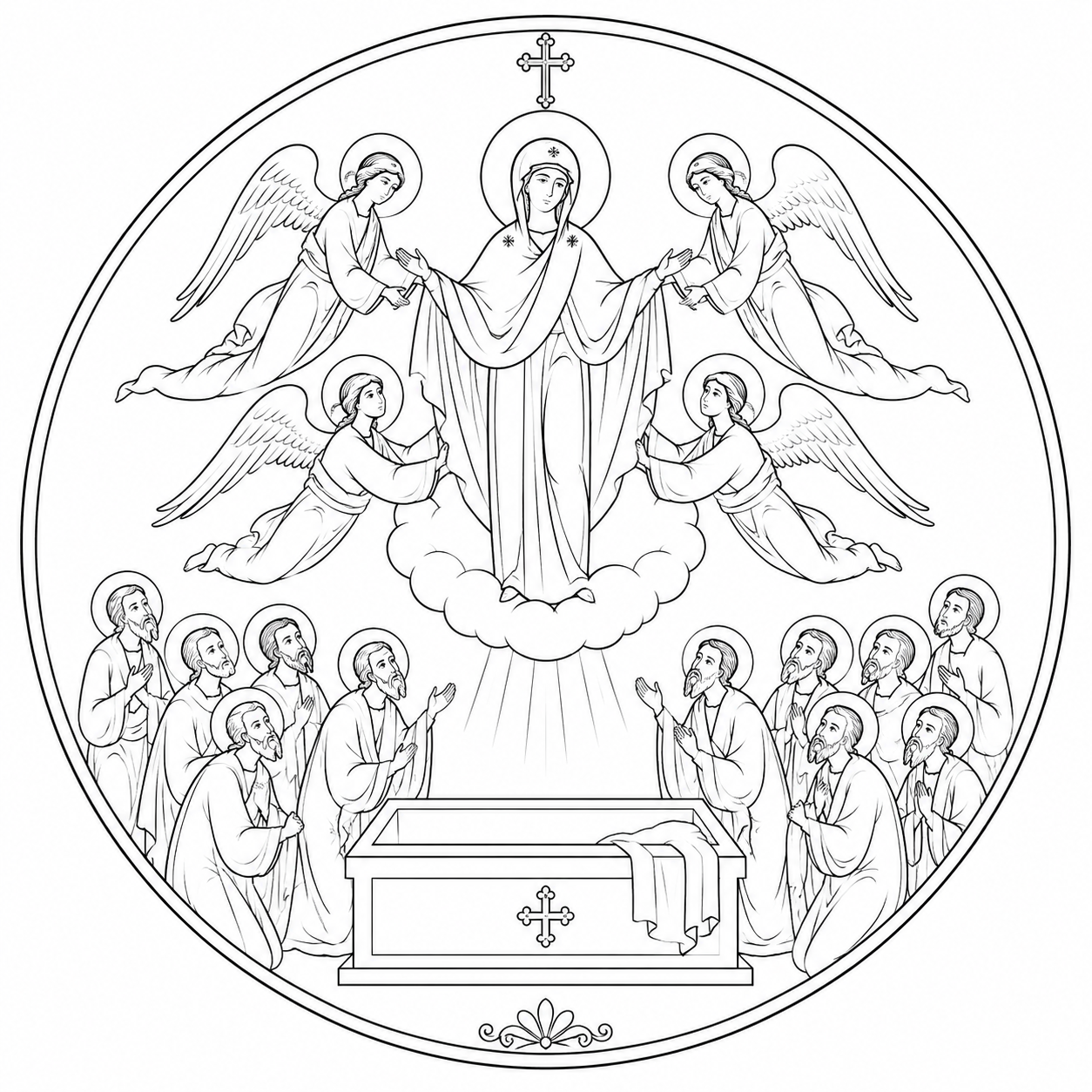
When the Virgin departed, all apostles were gathered to Jerusalem — except Thomas, preaching in India. Traveling on a cloud, he saw angels carrying her body to heaven. She dropped her belt (the Zunnar) to him as proof. When the tomb was found empty, Thomas showed them the belt.
The Nahda (Revival)
Every night for 15 days, churches hold a Nahda — Vespers, choir praises, and sermons. A massive joyful procession carries the icon of the Virgin around the church with cymbals, triangles, and flower petals.
Assumption vs. Ascension
- Christ ascended by His own divine power
- Mary was assumed — taken up by her Son and angels
- Her body was not permitted to see corruption
- Blue draperies and white roses adorn the church